Tirz is a synthetic peptide research compound examined for its activity across two incretin receptor systems: glucagon-like peptide-1 (GLP-1) and glucose-dependent insulinotropic polypeptide (GIP). Its dual-receptor profile makes it relevant to laboratory investigations into metabolic communication, cellular signaling, and pathways associated with glucose and nutrient regulation.
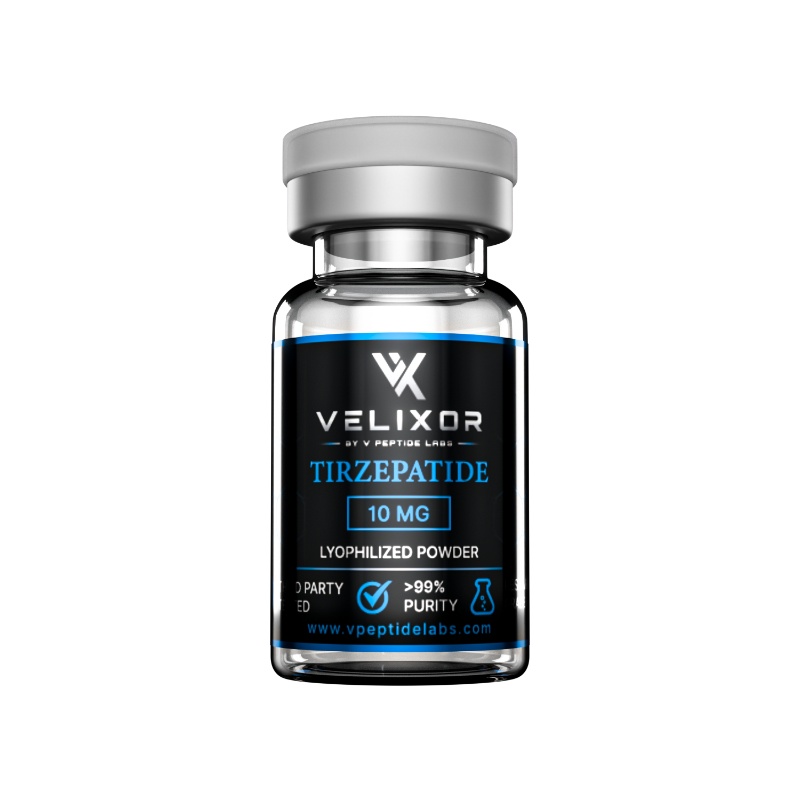
Provided as a lyophilized powder, this Tirz peptide is intended for controlled in vitro research by qualified professionals. The formulation is supplied in a research vial format, with specific quantity and analytical details requiring confirmation through the applicable product documentation.
Understanding Tirz
Tirz is studied for its interaction with GLP-1 and GIP receptors, which are involved in signaling processes related to metabolic function. Researchers use these receptor systems to examine cellular responses, intracellular communication, and biological mechanisms within controlled experimental environments.
Its dual activity provides a research framework for comparing receptor-mediated effects across different laboratory models. Depending on the study design, investigations may examine glucose-related signaling, insulin response pathways, energy regulation, and nutrient utilization.
The findings from laboratory research depend on factors such as the experimental model, receptor expression, testing conditions, and analytical methodology. This product description refers only to research applications and does not make clinical or therapeutic claims.
Laboratory Research Applications
Tirz may be relevant to research projects involving:
- Dual incretin receptor activity: Examination of GLP-1 and GIP signaling.
- Cellular metabolic pathways: Study of molecular communication linked to metabolic regulation.
- Glucose-related research: Investigation of cellular glucose processing and signaling.
- Insulin response models: Evaluation of pathways associated with insulin-related activity.
- Energy regulation: Research into cellular mechanisms involved in energy homeostasis.
- Nutrient utilization: Investigation of nutrient-processing and metabolic signaling systems.
Researchers should select experimental applications based on their study objectives and the verified characteristics of the material.
Tirz Peptide Specifications
| Specification |
Details |
| Compound |
Tirz |
| Material Type |
Synthetic research peptide |
| Unit Size |
Research vial format |
| Form |
Lyophilized powder |
| Dry Storage |
2°C–8°C |
| Post-Reconstitution Storage |
2°C–8°C under sterile conditions |
| Solvent |
Bacteriostatic water sold separately |
| Purity |
Not specified |
| Molecular Weight |
Not specified |
| Testing Method |
Not specified |
| Intended Use |
In vitro laboratory research |
The supplied information does not confirm the exact vial quantity. Therefore, options such as a Tirz peptide 2mg vial or Tirz peptide 10mg vial should be verified through the current product listing rather than assumed.
Product Format and Storage Information
This Tirz research material is supplied in lyophilized form. The dry formulation is intended to be handled according to appropriate laboratory procedures and documented storage requirements.
Store the unopened material dry at 2°C–8°C. Following reconstitution, the supplied guidance specifies refrigeration between 2°C–8°C under sterile conditions. Researchers should independently confirm compatibility, preparation procedures, and stability requirements before beginning an experiment.
Bacteriostatic water is sold separately. The product is not supplied as a prepared liquid solution.
Tirz and Sema Research Comparison
Tirz and Sema are both investigated in incretin-related research, although their receptor profiles differ. Tirz is studied for dual GLP-1 and GIP receptor activity, whereas Sema is primarily investigated through GLP-1 receptor activity.
A meaningful Tirz vs. Sema comparison requires consideration of receptor interactions, experimental design, analytical specifications, and the purpose of the research. Researchers should consult relevant scientific literature and product documentation when comparing compounds.
Why Select Tirz Research Material?
Tirz offers a research format for laboratories studying dual incretin receptor signaling and related metabolic pathways. Its lyophilized presentation and stated storage conditions provide basic handling information for research planning.
Before purchasing, review the available compound documentation, vial size, testing information, and storage requirements. These details help researchers assess whether the material is appropriate for their laboratory protocols.
Frequently Asked Questions
What is Tirz peptide used for?
Tirz is investigated in laboratory studies involving GLP-1 and GIP receptor signaling, metabolic communication, and glucose-related cellular pathways.
What is the Tirz peptide price?
The supplied information does not include a specific price. Current pricing should be confirmed through the product listing.
Is Tirz available in 2mg and 10mg vials?
The provided details identify a research vial format but do not confirm available quantities. Check the supplier’s current product information.
How should Tirz be stored?
Store the dry material at 2°C–8°C. After reconstitution, refrigerate at 2°C–8°C under sterile conditions.
Is this product intended for human use?
No. It is intended strictly for qualified laboratory research and is not approved for human or veterinary use.
Tirz Peptide Shop
Review the available specifications, documentation, and vial options before ordering. Confirm that the selected material aligns with your laboratory’s research requirements.
Research use only. Not for human or veterinary use. This product is not intended for use in food, pharmaceuticals, cosmetics, or diagnostic applications.

Reviews
There are no reviews yet.